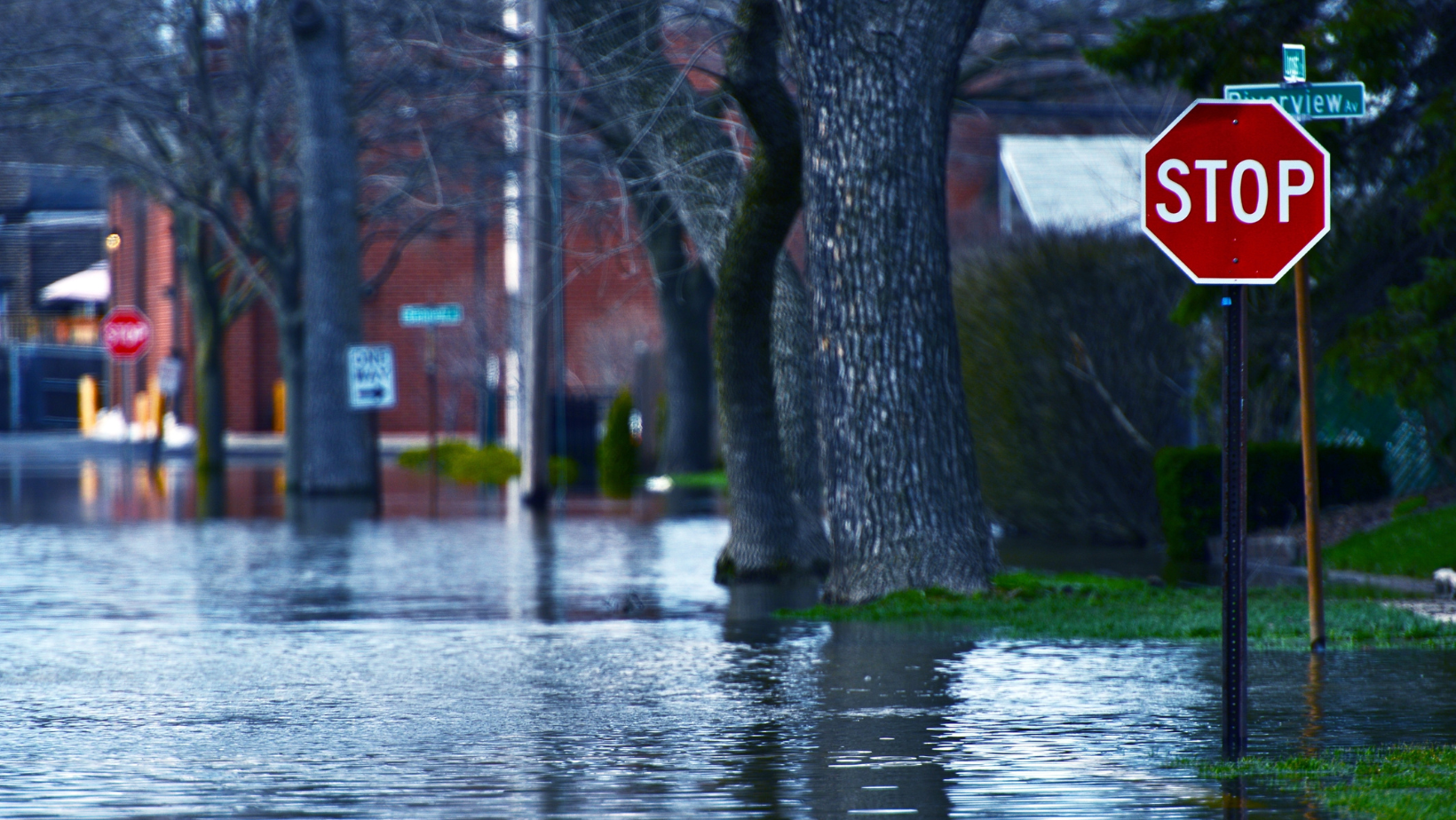
Hampton Roads is no stranger to floods. Poquoson, Norfolk, and parts of Hampton and Newport News often experience flooding—even from light rain. In fact, flooding, which occurs when water temporarily overflows onto normally dry land, is the most common natural disaster in the U.S.
With spring around the corner, warmer weather and blooming flowers are on the way—but so is the increased risk of flooding. Being prepared can help protect your family, home, and community.
Understanding Flood Risks
Floods can occur due to rain, snowmelt, coastal storms, storm surges, or overflows of dams and water systems. They can develop slowly over days or happen suddenly, as in flash floods, which provide little to no warning. Flooding can lead to power outages, transportation disruptions, building damage, and even landslides.
What to Do During a Flood Warning
If your area is under a flood warning:
-
Find safe shelter immediately.
-
Avoid floodwaters. Just six inches of moving water can knock you down, and one foot of water can sweep away your vehicle.
-
Turn Around, Don’t Drown! Never walk, swim, or drive through floodwaters.
-
Stay off bridges over fast-moving water; the current can wash them away without warning.
-
Follow local evacuation orders or move to higher ground if needed. If evacuation isn’t an option, stay where you are until it’s safe to move.
Preparing Before a Flood
Preparation is key to minimizing the impact of flooding:
-
Know Your Risk: Use tools like FEMA’s Flood Map Service Center and the National Risk Index to understand your community’s flood risk. Sign up for local emergency alerts to stay informed.
-
Secure Flood Insurance: Homeowner’s insurance doesn’t cover flood damage. Flood insurance can help protect you in the event of a disaster.
-
Create an Emergency Plan: Develop a plan for your household, including pets. Practice evacuation routes and shelter plans. Stock up on supplies like non-perishable food, water, and cleaning materials for several days.
-
Protect Important Documents: Store important papers in waterproof containers or create digital copies with password protection.
-
Prepare Your Home: Move valuables to higher levels, declutter gutters and drains, and consider installing check valves and a battery-powered sump pump.
Staying Safe During a Flood
-
Follow evacuation orders immediately. Do not drive around barricades.
-
If trapped in a vehicle surrounded by rapidly rising water, stay inside until help arrives. If water rises inside, move to the roof.
-
If you’re in a building and water levels rise, move to the highest floor. Signal for help if necessary but avoid attics without exits.
After the Flood: Recovery Tips
Returning home after a flood comes with risks. Follow these safety steps:
-
Wait for authorities to declare it safe to return.
-
Avoid driving unless absolutely necessary.
-
Wear protective clothing and gear during cleanup, and avoid mold if you have respiratory conditions.
-
Watch for wildlife, like snakes, that may have entered your home.
-
Turn off electricity if it’s safe to do so, and avoid touching wet electrical equipment.
-
Use generators outdoors only and keep them away from windows.
Partnering for Your Protection
Flooding doesn’t follow lines on a map—if it can rain, it can flood. At Goodrich & Watson Insurers, we’re here to help you prepare for the unexpected. Contact us today to learn more about flood insurance and how you can protect your family and home.
Stay safe this spring and take steps now to prepare for potential flooding. Your peace of mind is worth it.