
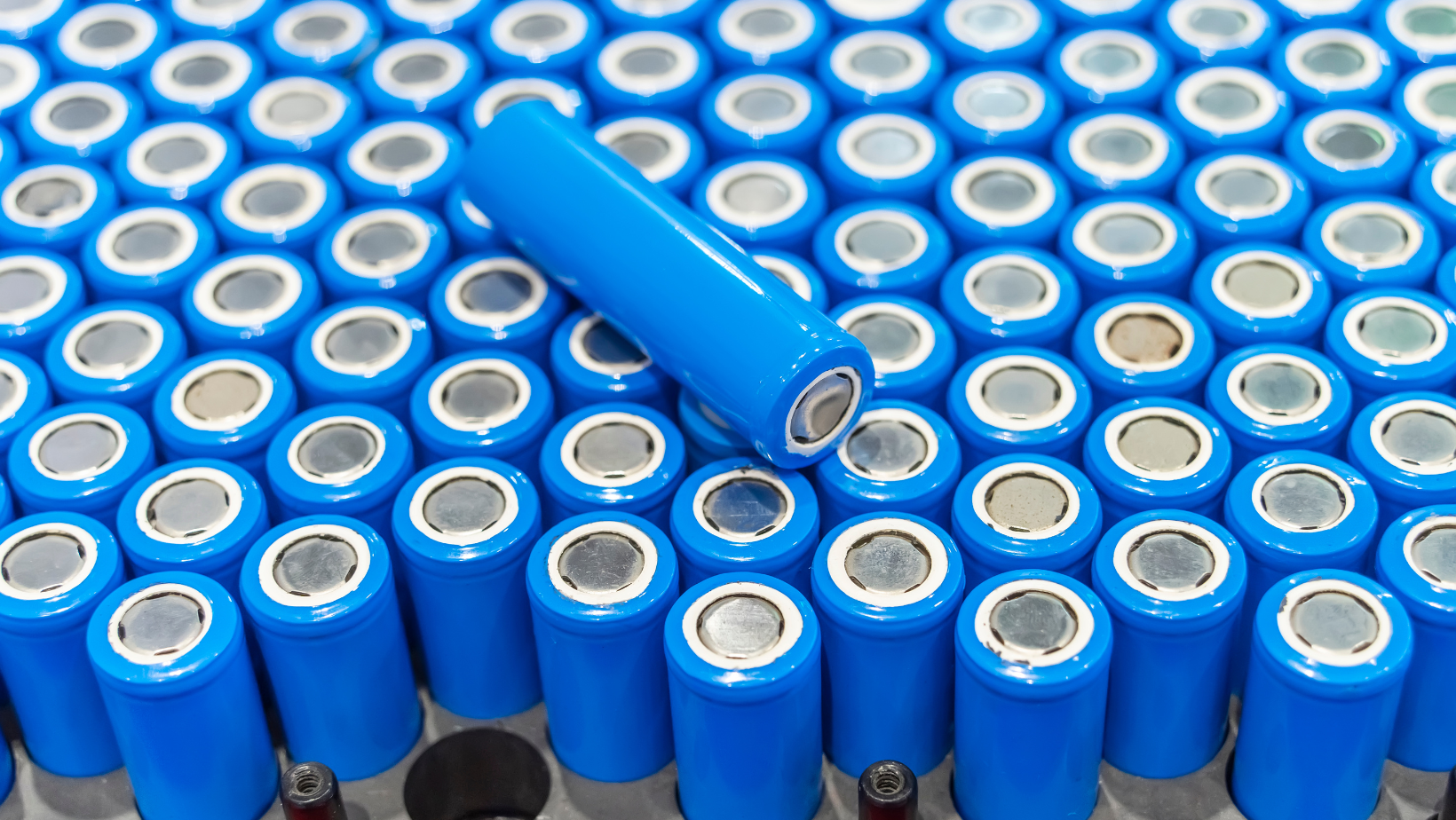
In today’s tech-driven world, lithium-ion batteries power an increasing number of devices essential to our daily lives. From smartphones to e-bikes, these rechargeable batteries are everywhere. However, with their widespread use comes the risk of fires and other hazards. Understanding how to safely use and store these batteries can help mitigate risks and even extend the life of your devices. Additionally, knowing the insurance options available can provide peace of mind in case of a battery-related incident.
What Are Lithium-Ion Batteries?
Lithium-ion batteries are different from lithium batteries. While they are made of different materials, there is one key feature that makes it easy to distinguish between the two. Lithium-ion batteries are rechargeable which allows for multiple uses and an extended lifespan but lithium batteries primarily are non-rechargeable and are designed for single-use.
Common Items Containing Lithium-Ion Batteries
You might be surprised by how many everyday items rely on lithium-ion batteries. These include:
-
Laptops, tablets, and eReaders
-
Smartphones and smartwatches
-
Bluetooth headphones
-
Hoverboards, e-scooters, and e-bikes
-
Power tools such as drills and string trimmers
-
Accessories like portable computer mice
-
Cordless vacuum cleaners
Common Risks Associated with Lithium-Ion Batteries
While lithium-ion batteries are generally safe, improper use and storage can lead to significant risks, including:
-
Fire hazards from damaged, overcharged, or overheated batteries.
-
Thermal runaway, a rapid overheating that can cause explosions.
-
Swelling or leaking from prolonged charging or exposure to high heat.
-
Short circuiting due to physical damage or exposure to water.
Tips to Reduce the Risk of Battery Fires
To minimize the risk of lithium-ion battery fires, consider the following precautions:
-
Inspect for damage before using any device. Avoid using products with damaged, swollen, or excessively hot batteries.
-
Use the correct charger that came with your device to prevent overcharging and overheating.
-
Check for safe-charging features on your devices, which charge slowly over time.
-
Avoid charging unattended or overnight unless the device has a safe-charging feature.
-
Ensure proper airflow by charging devices on hard surfaces, not on soft surfaces like beds or couches.
-
Store devices in cool, dry places, especially those used outdoors or in garages.
Insurance Coverage for Lithium-Ion Battery Fires
Battery fires can occur anywhere—your car, home, or garage. Understanding your insurance coverage can help protect you from potential losses:
-
Auto Insurance: If a battery fire results from a collision, your auto policy’s collision coverage may cover vehicle repairs or replacement. Review your policy to ensure adequate coverage.
-
Home Insurance: Typically covers fire damage. You should, however, review your policy for verbiage regarding battery-related property damage as additional endorsements may be warranted to cover such losses. Talk to your agent if you have questions or want to add or enhance coverage to your home insurance policy.
For more information on how to protect yourself from lithium-ion battery risks and to ensure your insurance policies provide the necessary coverage, reach out to our agency today. We’re here to help you navigate these concerns and provide peace of mind.